
How to Handle Difficult Family Dynamics on Your Wedding Day
How to Handle Difficult Family Dynamics on Your Wedding Day (A Photographer's Perspective)
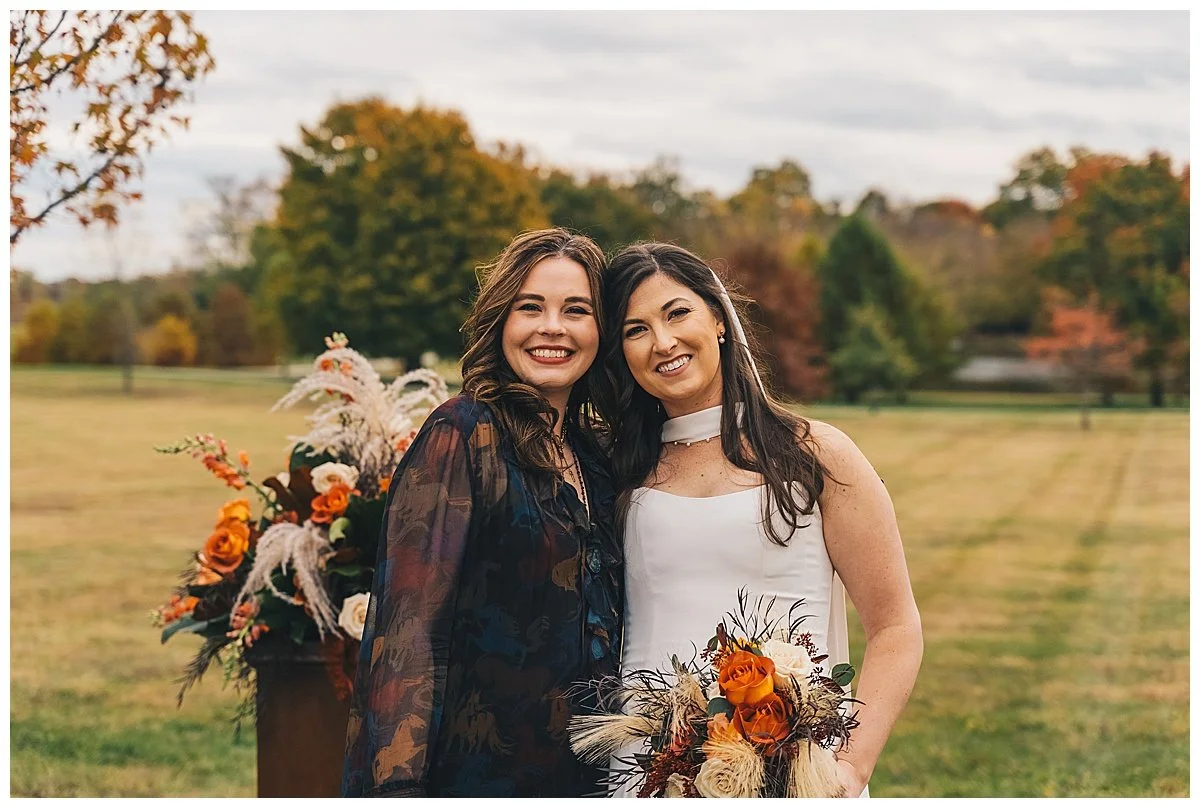
After photographing hundreds of Nashville weddings, I've seen every family dynamic imaginable — and I can tell you with absolute certainty: you're not alone, and there are real solutions that work.
Divorced parents who won't speak to each other. Estranged siblings. Feuding in-laws. Step-family tension. The relative everyone warns you about. Families are complicated, and weddings bring all of that complexity to the surface.
But here's what couples don't realize: most family drama at weddings is preventable with the right planning. And when it's not preventable, it's manageable.
As a photographer who's witnessed (and photographed through) every possible family scenario, here's your guide to handling difficult family dynamics without sacrificing your wedding day happiness.
The Most Common Family Dynamics We See (You're Not Alone)
First, let's normalize this. These situations are incredibly common:
Divorced Parents
Parents who can't be in the same room
Step-parents with unclear roles
Tension over who pays for what
Competition over photos and recognition
Disagreement over ceremony involvement
Estranged Family Members
Siblings who don't speak
Parents who are no-contact with their own parents
Family members with addiction or behavior issues
Relatives who weren't invited (and everyone knows it)
Blended Family Challenges
Step-siblings with complicated relationships
Half-siblings from different households
Multiple sets of grandparents
Unclear family photo groupings
Cultural or Religious Differences
Families from different backgrounds merging
Religious disagreements about ceremony elements
Cultural expectation conflicts
Language barriers creating misunderstandings
Controlling or Dramatic Personalities
The parent who insists everything be "their way"
The relative who makes everything about them
The family member everyone worries will cause a scene
Passive-aggressive comments and tension
If you're dealing with any of these, take a deep breath. We've seen it all work out.
Strategy #1: The Seating Chart Is Your Secret Weapon
This is your first and most powerful tool for managing family dynamics.
For Divorced Parents:
Ceremony Seating:
Seat divorced parents on opposite sides of the aisle if needed
Put step-parents in the second row (not with ex-spouse)
Position difficult family members toward the back or sides
Create physical distance that reduces tension
At venues like The Hermitage Hotel or Cheekwood, ceremony spaces are large enough to create natural separation.
Reception Seating:
Put divorced parents at separate tables (not just separate seats)
Surround each with their supporters/new partners
Place tables strategically so they're not facing each other
Consider a sweetheart table so you're not choosing which parent to sit with
For Feuding Relatives:
Separate them entirely (different tables, different areas)
Don't make them interact during family photos
Create buffers with friendly family members between them
Pro Tip from Experience:
I photographed a wedding at Riverwood Mansion where the bride's parents were in a bitter divorce. We seated mom's side on the left, dad's on the right, and positioned them at reception tables on opposite sides of the room. They literally never crossed paths all night. The bride had a stress-free day.
What Your Planner Should Do:
A good wedding planner will help you create a seating chart that:
Minimizes interaction between conflict points
Positions supportive people strategically
Creates natural flow that avoids awkward encounters
Handles last-minute changes if someone brings an unexpected plus-one
Strategy #2: Family Photos — The Minefield (And How to Navigate It)
Family photos are where most wedding day drama happens. Here's how to handle it professionally.
Create a Photo List in Advance
Before your wedding, make a detailed list of EXACTLY which groupings you want:
Bride with her mom
Bride with her dad
Bride with mom and stepdad
Bride with dad and stepmom
Bride with both parents (if they can handle it)
Bride with all siblings (step and biological)
The Key: Be Specific About Groupings
Don't say "family photos." Say: ✅ "Bride with biological parents only"
✅ "Bride with mom's side of family"
✅ "Groom with dad and stepdad separately"
✅ "Couple with both sets of parents (one photo with each set separately)"
What We Tell Couples:
You are NOT obligated to have a photo with people who don't get along. If your divorced parents can't stand each other, you don't need a photo with both of them. Get separate photos with each.
Designate a Photo Wrangler (NOT a Parent)
Assign someone to gather people for photos who:
Isn't in the immediate family
Can be assertive without being emotional
Knows everyone by sight and name
Can handle potential pushback
This is often a wedding planner, trusted family friend, or wedding party member.
The "Family Photo" Order That Minimizes Drama:
Start with the largest group (extended family)
Dismiss people in layers (grandparents, aunts/uncles, cousins)
Do immediate family groupings last
Handle divorced parents separately
End with just the couple (so they can breathe)
Real-World Example:
At a Cheekwood wedding, the groom's parents were divorced and hostile. We did:
Groom + mom + stepdad (5 minutes)
Mom and stepdad dismissed
Groom + dad + stepmom (5 minutes)
Dad and stepmom dismissed
No photo with all four together (because why create that stress?)
Total family photos: 15 minutes, zero drama.
What to Tell Your Photographer:
Email us a heads-up about family dynamics: "My parents are divorced and can't be in photos together. Please do separate groupings."
We'll handle it professionally, quickly, and without creating awkward moments.
Strategy #3: Ceremony Roles Without the Drama
This is where parents often compete or feel slighted.
Who Walks You Down the Aisle?
Traditional options that avoid conflict:
Walk yourself (modern, empowered, avoids choosing)
Walk with your partner (together into marriage)
Have both parents walk you (if they can handle it)
Walk with siblings or other meaningful person
Creative compromises:
Dad walks you halfway, mom meets you and walks the rest
One parent walks you down, the other does a reading
Skip the "giving away" tradition entirely
Have multiple people escort you in stages
At Nashville venues with long aisles like The Parthenon, you have space for creative processional solutions.
Other Ceremony Roles:
Readings:
Give each divorced parent their own reading
Let step-parents have their own role (lighting candles, special blessing)
Create enough roles that everyone feels included
Seating:
Mom sits in the front row on one side
Dad sits in the front row on the other side
Step-parents in second row
No one has to share space
What to Avoid:
❌ Asking divorced parents to stand together during ceremony
❌ Making step-parents feel invisible
❌ Creating competition over who has the "better" role
❌ Surprising anyone with their role day-of (communicate in advance)
Strategy #4: Communication Before the Wedding Day
Most family drama is preventable with clear, early communication.
Have Individual Conversations
Don't send a group email to all parents. Have separate conversations:
To divorced parents: "I love you both and want you both there. I've created a plan where you won't have to interact much. Here's how the day will work..."
To the dramatic relative: "I'm so glad you're coming. I want you to know that [specific boundary]. I need you to respect this on my wedding day."
To step-parents: "You're important to me. Here's how you'll be included in the ceremony and photos..."
Set Clear Boundaries in Advance
Examples:
"We're not doing a parent dance, so no one feels left out"
"We're doing separate family photos with each set of divorced parents"
"Please don't bring up [topic] on the wedding day"
"We've asked [planner name] to handle any issues, please direct questions to them"
Put Someone in Charge of Enforcement
Your wedding planner or designated family member should be empowered to:
Redirect conversations that are getting heated
Remove someone who's causing problems
Handle complaints so you don't have to
Be the "bad guy" if needed
What We've Seen Work:
One couple at Union Station had their planner sit down with both sets of divorced parents two weeks before the wedding. She walked through the timeline, explained the photo plan, and got everyone's agreement in advance. Wedding day? Smooth as butter.
Strategy #5: The Day-Of Buffer System
Even with perfect planning, family dynamics can flare up. Here's your safety net.
Create Physical Separation
Getting Ready:
Have different getting-ready locations for feuding family members
Mom gets ready with bride, dad gets ready with groom (if needed)
Keep problem relatives away from you during getting ready
Cocktail Hour:
Position bars at opposite ends of the space
Create seating areas in different zones
Keep you (the couple) moving so you're not cornered
Reception:
Seat difficult people far from you
Plan your table visiting route to minimize stress
Have an exit strategy if someone corners you
The "Handler" System
Assign specific people to manage specific family members:
Mom's best friend keeps an eye on mom
Cousin manages the drunk uncle
Wedding planner redirects the controlling mother-in-law
Your MOH runs interference when needed
The Escape Plan
Have a code word with your photographer and planner:
When you say it, we create a reason you need to leave
"Oh, we need the couple for photos right now!"
"The caterer has a question for you both"
Gets you away from escalating situations
Strategy #6: What to Do When Drama Happens Anyway
Sometimes, despite your best planning, family members act up. Here's the playbook.
During Family Photos:
If someone refuses to be in photos: "That's okay, we respect your choice. We'll move forward with the photos we planned." Don't beg, don't negotiate, don't let it derail the timeline.
If someone makes a scene: Your photographer (that's us) will keep shooting. Some of our best photos come from real, unscripted moments — even uncomfortable ones. We'll never use photos that show you in a bad light.
If divorced parents are being difficult: Take separate photos only. Skip the joint photo. Your happiness matters more than that one image.
During Toasts:
If someone goes off-script or gets inappropriate:
Your planner or DJ should have the power to cut the mic
Move immediately to the next scheduled event
Don't let it linger
If someone makes passive-aggressive comments:
Ignore them in the moment
Address later if needed
Don't let it ruin your night
The Nuclear Option:
If someone is truly out of control:
Your planner can ask them to leave
Venue staff can remove them if necessary
This is rare, but it's an option
What Professional Photographers Do:
We've photographed through:
Fistfights (thankfully rare)
Parents walking out mid-ceremony
Dramatic toasts
Family feuds erupting during reception
Our job is to document your day while protecting your privacy and dignity. We:
Never share photos that show you or your family in unflattering situations
Capture the love and joy, not the drama
Know when to put the camera down
Support you through whatever happens
Strategy #7: The "Embrace Imperfection" Mindset
Here's some real talk: your family is who they are. You can plan, manage, and set boundaries, but you can't control other people's behavior.
What You Can Control:
Your reaction to drama
Who you give energy to
How much space you give problems
Your decision to enjoy your day regardless
What You Can't Control:
Whether your parents behave
If relatives hold grudges
Other people's feelings about your choices
How your family interacts with each other
The Truth About Wedding Photos:
People worry: "What if family drama ruins our photos?"
After shooting hundreds of weddings with complicated family dynamics, I can tell you: it almost never shows in the final gallery. Here's why:
We photograph you during happy moments
Family photos take 15-20 minutes total
The rest of the day is you, your partner, and your friends
Drama happens behind the scenes; joy is what we capture
Real Example:
I photographed a wedding where the bride's parents had a screaming match in the parking lot before the ceremony. I didn't photograph that. I photographed:
The bride's peaceful getting ready moments
Her joy walking down the aisle
Beautiful couple portraits during golden hour
Dancing and laughter at the reception
The drama? Not in a single photo. The gallery tells the story of a perfect day.
Strategy #8: Special Situations and Solutions
Situation: Parent is Paying But Being Controlling
Solution:
Set clear boundaries early: "We appreciate your contribution. Here's what we're doing with it."
Consider declining the money if it comes with too many strings
Have conversations through a neutral third party if needed
Remember: it's your wedding, not theirs
Situation: Parent Refuses to Attend
Solution:
Accept their decision (you can't force them)
Plan as if they're not coming (don't hold space "just in case")
Have your partner's family or friends fill emotional support roles
Focus on the people who ARE celebrating with you
Situation: Uninvited Family Member Shows Up
Solution:
Have your planner or venue security handle it
Don't engage personally
Stick to your boundaries
It's okay to ask them to leave
Situation: Family Members Drinking Too Much
Solution:
Talk to your bartenders/bar service in advance about who to cut off
Assign someone to keep an eye on the problem drinker
Provide food throughout the event
Have a plan to get them home safely if needed
Situation: Cultural/Religious Conflicts Between Families
Solution:
Incorporate elements from both backgrounds
Educate each family about the other's traditions
Have officiant explain during ceremony
Create new traditions that blend both cultures
What to Tell Your Wedding Team
Your vendors need to know about potential drama so they can help. Here's what to communicate:
To Your Photographer (Us):
"My parents are divorced and won't be in photos together. Here's the photo list with specific groupings."
We'll handle it discreetly and professionally. Questions to discuss with your photographer.
To Your Planner:
"Here are the family dynamics you should know about. Here's how we want to handle them."
Give them the full picture so they can problem-solve proactively.
To Your DJ:
"Don't take song requests from [specific person]. Here's the approved playlist and timeline."
This prevents drama over music choices or inappropriate song dedications.
To Your Venue Coordinator:
"These two people shouldn't be seated near each other. Here's our seating chart."
They'll make sure tables are positioned correctly.
Timeline Strategies to Minimize Family Interaction Time
Smart timeline planning reduces opportunities for conflict.
Compress Family Photo Time:
Instead of: ❌ 60 minutes of wandering family photos
Do this: ✅ 20 minutes of specific, organized family groupings
Separate Getting-Ready Locations:
Bride gets ready with her people
Groom gets ready with his people
They don't mix until ceremony (if that helps)
Strategic Cocktail Hour:
Do couple portraits during cocktail hour (you're not there for drama)
Return for reception when everyone is settled and fed
Minimize pre-ceremony mingling time
Consider a First Look:
First looks let you:
Do most photos before ceremony
Reduce post-ceremony stress
Have private time together
Control the timeline better
The "Let It Go" List
Some things genuinely don't matter. Save your energy for what does.
Let Go:
The perfect family photo where everyone looks happy (if your family isn't happy, that's not your fault)
Making everyone feel equally important (impossible in complicated families)
Avoiding all conflict (you can minimize, not eliminate)
Having the wedding your parents want (it's your day)
What extended family thinks about your choices
Focus On:
Your relationship with your partner
The people who genuinely support you
Creating the day YOU want
Managing what you can control
Enjoying yourself despite imperfection
When to Consider Not Inviting Someone
This is a difficult decision, but sometimes it's the right one.
Consider not inviting if:
They have a pattern of causing scenes at family events
They refuse to respect your boundaries
Their presence would cause you genuine anxiety
They're actively harmful to you or your partner
The relationship is estranged or abusive
How to Handle It:
"We're keeping the wedding small and intimate. We hope you understand."
You don't owe anyone a detailed explanation.
The Fallout:
Yes, there might be hurt feelings or drama. But ask yourself:
Would their presence cause more stress than their absence?
Is managing their feelings worth sacrificing your peace?
Will you regret having them there?
Your mental health and happiness matter more than avoiding family conflict.
Real Wedding Examples: How These Strategies Worked
Example 1: The Hostile Divorce
Noelle Nashville wedding. Bride's parents hadn't spoken in 5 years.
What we did:
Seated them at opposite ends of ceremony
Dad walked bride down aisle, mom got a reading
Separate family photos (zero joint photos)
Reception tables on opposite sides of room
First dance was with her partner only (skipped parent dances)
Result: Both parents felt honored. Bride had a stress-free day. Photos are beautiful.
Example 2: The Controlling Mother-in-Law
Riverwood Mansion wedding. Groom's mother tried to control every detail.
What we did:
Wedding planner became the point person for all questions
Couple made decisions and planner communicated them
Day-of, planner redirected any attempts to change things
Photographer followed couple's shot list, not mother's requests
Result: Mother-in-law had opinions. Couple got the wedding they wanted.
Example 3: The Uninvited Father
The Hermitage Hotel wedding. Bride hadn't spoken to her father in 10 years.
What we did:
Brother walked her down the aisle
Mother had a special role in ceremony
Created "chosen family" photos instead of traditional family photos
Celebrated the family that was there
Result: No drama. Beautiful day celebrating the relationships that mattered.
Questions to Ask Yourself When Planning
Use these to guide your decisions:
"What would make ME happiest?" Not your parents, not tradition — YOU.
"What's the worst that could realistically happen?" Often, we catastrophize. What's actually likely?
"Can I live with the consequences of this choice?" Both inviting and not inviting have consequences.
"Who do I actually want there?" Your day should be full of people who love and support you.
"Am I making this choice out of obligation or genuine desire?" Obligation is a bad reason to do something on your wedding day.
The Day Before: Final Preparation
Send Individual Reminder Messages:
To divorced parents: "Looking forward to celebrating with you tomorrow. Just a reminder: [specific plan for photos/seating]. Thank you for making this day special."
To problem relatives: "Can't wait to see you tomorrow! Remember: [specific boundary]. Thanks for understanding."
Brief Your Wedding Team:
Have a final call with planner and photographer:
Review the family photo list
Confirm the handler assignments
Review the backup plans
Make sure everyone knows the dynamics
Prepare Yourself Mentally:
Something might go wrong, and that's okay
You can't control other people
Focus on your partner and your joy
Drama is temporary; your marriage is permanent
Your Wedding Day Mantra
When family drama threatens to derail your happiness, remember:
"This is my day with my partner. I love these people, but I don't have to manage them. I've done the planning. I've set the boundaries. Whatever happens, I'm going to focus on joy."
Final Thoughts: It's Okay If Your Family Isn't Perfect
After hundreds of weddings, I can tell you: the "perfect" family wedding is a myth. Every family has complications.
The difference between a stress-filled wedding and a joyful one isn't the presence or absence of drama — it's how you plan for it and how you respond to it.
You deserve a beautiful wedding day, regardless of your family dynamics.
With the right planning, clear boundaries, and supportive vendors, you can navigate even the most difficult family situations and still have the wedding day you've dreamed of.
Ready to Work With a Nashville Wedding Photographer Who Handles Family Dynamics with Grace?
At Heck Designs and Photography, we've photographed every family situation imaginable. We know how to:
Create photo plans that avoid family drama
Handle delicate situations professionally
Capture the joy while avoiding the chaos
Support you through whatever your family brings
View our Nashville wedding portfolio to see how we focus on love and connection, or contact us to discuss your wedding and any family dynamics we should know about.
Related Reading: