
5 Things That Ruin Wedding Photos (That No One Warns You About)
5 Things That Ruin Wedding Photos (That No One Warns You About)
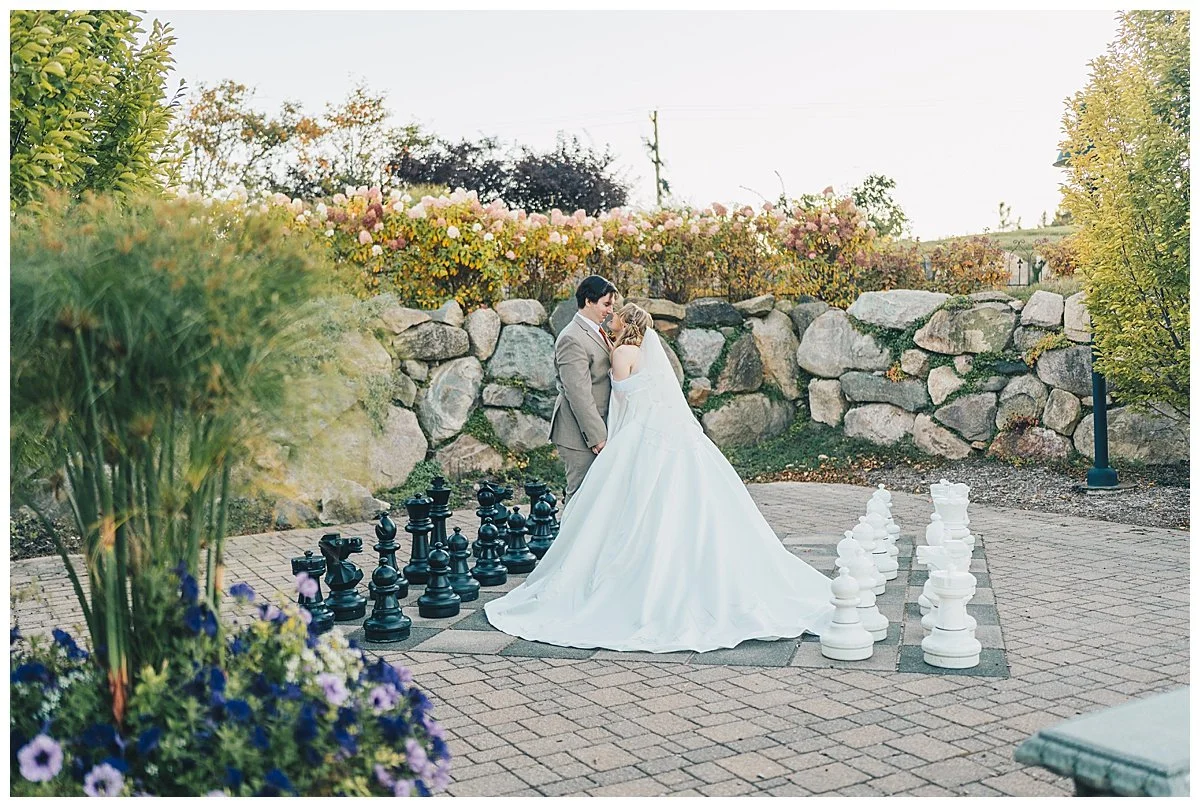
After photographing hundreds of weddings across Nashville, I've seen the same photo-ruining mistakes happen over and over again — and most couples have no idea these issues exist until they see their wedding gallery.
The frustrating part? These problems are completely preventable. But wedding planning advice rarely covers them because they seem too small to matter. Spoiler alert: they're not.
Here are the five things that consistently ruin wedding photos, that no one warns you about, and exactly how to avoid them.
1. Uncle Bob With the iPad in the Aisle
Let me set the scene: Your ceremony is about to start. You're walking down the aisle toward your future spouse. Your professional photographer is positioned perfectly to capture this once-in-a-lifetime moment.
And then Uncle Bob stands up in the third row with his iPad held high, directly blocking your photographer's shot of your face.
Why This Happens:
Guests don't realize they're blocking professional photographers. They think they're helping by capturing extra photos. They don't understand sight lines or how professional photography works. And honestly, they're excited and want to be part of the moment.
The Real Impact:
Your photographer misses the shot of you walking down the aisle
Your ceremony photos are filled with guests' phones and cameras instead of emotional faces
Guests are watching through screens instead of being present
Your professional photos include random arms, phones, and iPads
How to Fix It:
Have Your Officiant Make an Announcement
The most effective solution is having your officiant say something like:
"Welcome, everyone! Before we begin, [Couple Names] have hired a professional photographer to capture every moment of this ceremony. They ask that you put away all phones, cameras, and devices during the ceremony so you can be fully present — and so their photographer can do their job without obstruction. You'll have plenty of opportunities for photos during the reception. Thank you!"
Put It in Your Program
Add a note in your ceremony program: "Unplugged Ceremony: We invite you to be fully present during our ceremony. Please turn off all devices and enjoy this moment with us. Our photographer will capture it all!"
Use Signage
A beautiful sign at the ceremony entrance reinforces the message: "Phones Down, Hearts Open: We've hired a professional photographer. Please be fully present with us."
Tell Family Members Directly
Before the ceremony, have your wedding planner or a family member specifically tell the "likely culprits" (yes, we all know who they are) to put cameras away.
Real Talk:
I've photographed both unplugged and "everyone's photographing" ceremonies. The unplugged ceremonies consistently have better photos AND guests report feeling more emotionally connected to the moment. If you're planning a ceremony at venues like The Parthenon, this is especially important for maintaining sight lines.
2. The Receiving Line That Eats Your Golden Hour
This is the silent timeline killer that ruins more wedding photos than almost anything else.
What Usually Happens:
Your ceremony ends around 5:00 PM. You planned to do couple portraits during golden hour (around 6:00-7:00 PM in Nashville during summer). But first, you decide to do a receiving line so you can greet every guest.
With 150 guests, spending just 30 seconds with each person means 75 minutes. By the time the receiving line ends, golden hour is over. The best light of the day — gone.
Why Couples Do This:
They want to personally thank everyone for coming
They feel obligated to greet guests immediately after the ceremony
They don't realize how long it actually takes
No one warned them about the time commitment
The Real Impact:
You miss golden hour entirely
Portrait time gets compressed or eliminated
You're exhausted before photos even start
Your photographer has to work with harsh midday sun or dark evening light
Better Alternatives:
Skip the Receiving Line Entirely
I know this sounds harsh, but hear me out. You will see and thank every important person at your wedding. You'll greet people during cocktail hour, at your table during dinner, while table hopping, and on the dance floor.
Do a Modified Receiving Line During Cocktail Hour
Position yourselves at the entrance to cocktail hour for the first 15-20 minutes. This is faster because:
Guests have drinks and aren't standing in a formal line
You can have multiple quick conversations simultaneously
Your photographer can capture candid moments
You're not blocking the flow of events
Save Family Greetings for the Reception
Make rounds during dinner or have a receiving line during the reception entrance. By then, portraits are done and you're not sacrificing photo time.
What Your Photographer Wishes You Knew:
Golden hour light in Nashville is magic, especially at venues like Cheekwood or Riverwood Mansion. Once it's gone, we can still get beautiful photos, but there's a reason photographers obsess over this hour.
Timeline Priority:
If you're choosing between a receiving line and couple portraits in good light, choose portraits every single time. Your 150 guests got photos with you during the reception. You'll only get one chance for golden hour portraits at your wedding venue.
3. Cluttered Getting-Ready Spaces
This one breaks my heart because it's SO easy to prevent, but I see it at almost every wedding.
The Scene:
I arrive to photograph getting ready. The bride's room is beautiful — gorgeous light, elegant décor, excited bridesmaids. And then there are:
McDonald's bags and empty coffee cups on every surface
Clothes and suitcases everywhere
Charging cables draped across the bed
Cosmetic products covering the vanity
Random family members sitting in every good photo spot
Why This Matters:
Getting-ready photos aren't just about the dress going on. They're about the anticipation, the details, the intimate moments with your people. But when the space is cluttered, we can't capture any of that beauty.
What Gets Ruined:
Detail shots of your dress, shoes, jewelry, and invitation suite
Photos of you in your robe or getting ready
Candid moments with bridesmaids
The overall mood and atmosphere of the morning
We either have to:
Stop and clean the room (eating into getting-ready time)
Shoot around the clutter (limiting our angles)
Skip certain photos entirely
Photoshop out mess (which is time-consuming and doesn't always look natural)
How to Prevent This:
Create a "Photo Zone"
Designate one area of the room specifically for photos:
Clear off one table or dresser for detail shots
Keep one chair or area of the bed clutter-free
Assign one person to monitor this space and keep it clear
Have a "Clutter Basket"
Bring a large basket or bag specifically for collecting trash, food wrappers, water bottles, and random items. One bridesmaid should be in charge of tossing stuff in there throughout the morning.
Plan Your Breakfast Strategy
We get it — you need to eat. But here's how to do it photo-friendly:
Eat BEFORE your photographer arrives, or
Have breakfast in a separate room, or
Use nice plates/cups instead of delivery containers (we can work with cute coffee cups and pastries on nice plates)
Prep the Night Before
The night before your wedding:
Hang your dress in a photogenic spot (near a window is ideal)
Lay out your details (rings, shoes, jewelry) together in one place
Clear surfaces where you want getting-ready photos
Pack away suitcases and extra clothes
Communicate With Your Hair and Makeup Team
Professional Nashville wedding hair and makeup artists often have systems for keeping their work area organized. Let them know you want to prioritize a clean photo space.
Real Example:
I once photographed a bride at The Hermitage Hotel who had a bridesmaid act as "room manager." Any time clutter appeared, she quietly cleared it. The getting-ready photos were stunning because we could focus on emotions instead of editing out Starbucks cups.
4. Harsh Venue Lighting That Creates Unflattering Shadows
This is the big one couples never think about — and it dramatically affects how you look in photos.
What Couples See: A beautiful venue with tons of light.
What Photographers See: Overhead fluorescent lights creating dark shadows under your eyes, making you look exhausted. Harsh spotlights creating unflattering highlights and shadows on your face. Yellow-tinted bulbs making everyone look sallow.
Common Problem Venues:
Hotel conference rooms with fluorescent ceiling lights
Rustic barns with only overhead Edison bulbs
Ballrooms with bright overhead spots and no ambient light
Outdoor ceremony spaces with no shade (direct midday sun)
Why This Isn't Your Fault:
Most venues look completely different to the human eye than they do in photos. Our eyes adjust to different lighting conditions naturally. Cameras don't. What looks "bright and cheerful" to you creates "unflattering and harsh" in photos.
How to Evaluate Venue Lighting:
When touring wedding venues, ask these questions:
For Indoor Venues:
What type of lighting do you have? (LED, incandescent, fluorescent, natural light?)
Can we dim or control the lights during the ceremony/reception?
Where are the main light sources located? (Overhead, side, natural windows?)
Can I see photos from a wedding taken here at the same time of day as my ceremony?
For Outdoor Venues:
Where will the ceremony be held in relation to the sun?
Is there shade available?
What's the backup plan if it's too sunny or too dark?
The Nashville Advantage:
Many Nashville venues have this figured out. Cheekwood's gardens provide dappled natural light. The Bridge Building has both natural window light and controllable interior lighting. Noelle Nashville has beautiful ambient lighting designed for photography.
What Your Photographer Can Do:
Professional photographers can work with challenging light — that's literally our job. We:
Bring professional lighting equipment
Position you in the best available light
Use flash artistically (not harshly)
Shoot during optimal times of day when possible
But even the best photographer can't completely overcome really bad venue lighting. It's better to choose a venue with good light to begin with.
Timing Matters Too:
If you're getting married at a venue with large windows, timing your ceremony for soft afternoon light versus harsh midday sun makes a massive difference. This is where understanding indoor vs outdoor venue considerations really helps.
Pro Tip:
If you're already booked at a venue with challenging lighting, talk to your photographer during your consultation. We can suggest:
Optimal ceremony and photo timing
Whether to bring additional lighting equipment
The best spots in the venue for portraits
How to work with what's available
The key is addressing it BEFORE the wedding day, not discovering the problem in your photos later.
5. Timeline Gaps That Waste Your Best Light
This is the most frustrating one because it's invisible until it's too late.
What Timeline Gaps Look Like:
45-minute gap between ceremony and reception with "nothing planned"
90-minute cocktail hour when you only need 60 minutes
2-hour buffer "just in case" that becomes dead time
Long gaps between getting ready and ceremony
Why Couples Create These Gaps:
Fear of running behind schedule
Uncertainty about how long things take
Trying to give guests time to relax
Not understanding how light changes throughout the day
What Actually Happens:
You end up sitting in a hotel room during golden hour because you have a 2-hour gap before the reception. Or you finish family photos in 20 minutes but blocked 90 minutes, so you're just... waiting while the best light disappears.
The Real Cost:
Wasted golden hour light
Boredom and restlessness before the ceremony
Missing opportunities for candid moments
Photographer arrives to nothing happening
How to Build a Realistic Timeline:
Work Backward From Sunset:
If golden hour is 6:30-7:30 PM and you want couple portraits then:
Ceremony should end by 6:00 PM at the latest
Which means ceremony starts at 5:30 PM (for a 30-minute ceremony)
Which means you need to be ready to walk down the aisle at 5:25 PM
Which means hair and makeup needs to finish by 4:30 PM
Which means they start at 1:30 PM (for 3 hours of work)
Build Buffers Into Activities, Not Between Them:
Instead of: ❌ 30 minutes for family photos + 30-minute gap = 60 minutes blocked
Do this: ✅ 45 minutes for family photos (buffer built in) = 45 minutes blocked
Ask Your Photographer:
We know how long things actually take because we've timed hundreds of weddings. When you're creating your timeline:
Ask how long family photos typically take
Discuss realistic getting-ready schedules
Identify where natural breaks should happen
Understand timeline challenges
Use a Wedding Planner:
Professional wedding planners build realistic timelines constantly. They know:
Exactly how long hair and makeup takes
How to account for transportation time
When to schedule breaks vs. photo time
How to keep you in good light all day
The Nashville Timing Challenge:
Nashville's sunset times vary dramatically by season:
Summer: Sunset around 8:00 PM (lots of flexibility)
Winter: Sunset around 4:30 PM (very tight timeline)
Spring/Fall: Sunset around 6:30-7:00 PM (moderate flexibility)
If you're planning a winter wedding, timeline gaps are even more costly because you have less daylight to work with overall.
Real Example:
I photographed a couple at Riverwood Mansion who built a 2-hour gap into their timeline "for travel between locations." They didn't realize the ceremony and reception were at the same venue. We ended up doing an impromptu extended portrait session during golden hour that produced their favorite photos — but it was pure luck, not planning.
The Common Thread: Communication Prevents All of These
Notice the pattern? Every single one of these photo-ruining mistakes comes down to communication:
Communicating with guests about unplugged ceremonies
Communicating timeline priorities with your planner
Communicating getting-ready space needs with your bridal party
Communicating lighting concerns when booking your venue
Communicating realistic timing with all vendors
The Most Important Communication:
Talk to your photographer early and often. We want to help you avoid these mistakes, but we need to be brought into the planning process.
When to Loop In Your Photographer:
✅ When choosing your venue (we can flag lighting issues)
✅ When building your timeline (we know realistic timing)
✅ When planning ceremony details (we can suggest unplugged approaches)
✅ When coordinating getting-ready locations (we can advise on space prep)
✅ When making major timeline decisions (we'll tell you how it affects photos)
What Actually Ruins Photos vs. What Doesn't Matter
Things Couples Stress About That Don't Actually Ruin Photos:
❌ Not being photogenic ("I'm so awkward in photos!")
❌ Weather changes (we actually love dramatic weather)
❌ Imperfect venues (we find beauty everywhere)
❌ Budget constraints (expensive doesn't mean better photos)
❌ Not being models (authenticity > perfection)
Things That DO Ruin Photos:
✅ Guests blocking photographers during key moments
✅ Sacrificing photo time for non-essential timeline items
✅ Cluttered, messy backgrounds we can't control
✅ Venues with terrible, unfixable lighting
✅ Poor timeline planning that wastes good light
See the difference? The things that ruin photos are almost all preventable with planning, while the things couples worry about don't actually matter.
Red Flags During Venue Tours
Since venue selection impacts so many of these issues, here are red flags to watch for:
Lighting Red Flags:
Only overhead fluorescent lights with no windows
No ability to dim or control lighting
Ceremony location in direct midday sun with no shade options
Space Red Flags:
Getting-ready rooms are tiny or cluttered storage spaces
No good spots for group photos
Limited areas with good natural light
Timeline Red Flags:
Strict venue timeline doesn't align with good photo light
No flexibility for weather delays
Rush time between ceremony and reception
The Fix-It Checklist: 8 Weeks Before Your Wedding
Use this checklist 8 weeks before your wedding to prevent photo-ruining mistakes:
Ceremony Planning:
□ Decide if you want an unplugged ceremony
□ Write announcement for officiant to read
□ Create signage if using
□ Tell family members directly
Timeline Review:
□ Review timeline with photographer for realistic pacing
□ Identify and eliminate unnecessary gaps
□ Confirm sunset time for your wedding date
□ Build in appropriate buffers
Venue Walkthrough:
□ Visit getting-ready spaces and plan layout
□ Identify clutter-free zones for details
□ Test lighting at ceremony time of day
□ Confirm photo location access
Communication:
□ Brief bridal party on getting-ready space expectations
□ Confirm photo priorities with photographer
□ Discuss timeline with planner and all vendors
□ Send getting-ready room guidelines to bridesmaids
Backup Plans:
□ Rain plan for outdoor photos
□ Alternative photo locations if needed
□ Timeline adjustment strategy
□ Communication plan for day-of changes
When Professional Experience Makes the Difference
Here's the truth: A photographer who's shot hundreds of weddings has seen all of these problems and knows how to work around them.
But "working around" problems isn't the same as having ideal conditions. We can:
Use creative angles to hide Uncle Bob's iPad
Find beautiful light even in challenging venues
Work quickly to make up for timeline issues
Make cluttered rooms look better in post-processing
But we can't:
Go back in time to capture missed golden hour
Make harsh overhead lighting soft and flattering
Recreate moments blocked by guests' phones
Add time that was lost to poor planning
This is why experience matters. A photographer who's worked at your specific venue before knows:
Where the good light is at different times of day
How long transitions actually take
Common pitfalls to avoid
Realistic expectations for your timeline
Questions to Ask Your Photographer
During your consultation, ask these questions to ensure your photographer can help you avoid these mistakes:
"Have you shot at our venue before, and what do I need to know about lighting there?"
"What's your policy on unplugged ceremonies, and how do you handle it when guests don't comply?"
"Can you review our timeline and flag any issues with photo time or lighting?"
"What should we do to prepare our getting-ready space for photos?"
"What are the biggest photo-ruining mistakes you see couples make?"
"How do you handle it when timeline issues threaten to cut into portrait time?"
A photographer who gives you specific, detailed answers (like we're doing in this post) will help you avoid these problems. A photographer who just says "don't worry, it'll be fine" might not.
The Nashville Venue Advantage
The good news? Many Nashville venues have learned from these common mistakes:
Venues With Great Lighting:
Cheekwood (natural garden light + indoor options)
The Hermitage Hotel (beautiful interior lighting)
Union Station (dramatic natural light)
Venues With Realistic Timelines:
Riverwood Mansion (flexible scheduling)
Most private estates and barns (control your own timeline)
Venues With Good Photo Spaces:
The Parthenon (iconic, wide-open spaces)
Noelle Nashville (designed with photography in mind)
Compare classic Nashville wedding venues to find the best fit for your photography needs.
Final Thoughts: Prevention Over Perfection
Here's what I want you to take away from this:
Your wedding doesn't need to be perfect. Rain happens. Timelines shift. Families do unexpected things. We roll with it, and your photos will still be beautiful.
But these five specific things — guest cameras blocking shots, timeline priorities, cluttered spaces, harsh lighting, and poor time management — ruin photos in ways that are hard or impossible to fix later.
The good news? They're all preventable with simple planning.
Work with your photographer. Tell us your priorities. Ask questions. Trust our experience. We want your photos to be as beautiful as your wedding day deserves.
Ready to Work With a Nashville Wedding Photographer Who Prevents These Problems Before They Happen?
At Heck Designs and Photography, we don't just show up and take photos. We help you plan a timeline that works, choose venues with good light, and avoid the mistakes that ruin wedding photos.
Because we've seen these problems hundreds of times, we know exactly how to prevent them.
View our Nashville wedding portfolio to see what's possible when everything goes right, or contact us to discuss your wedding and how we can help you avoid these common mistakes.
Related Reading: