
Wedding Planning Myths Nashville Photographers Wish You'd Stop Believing
Wedding Planning Myths Nashville Photographers Wish You'd Stop Believing
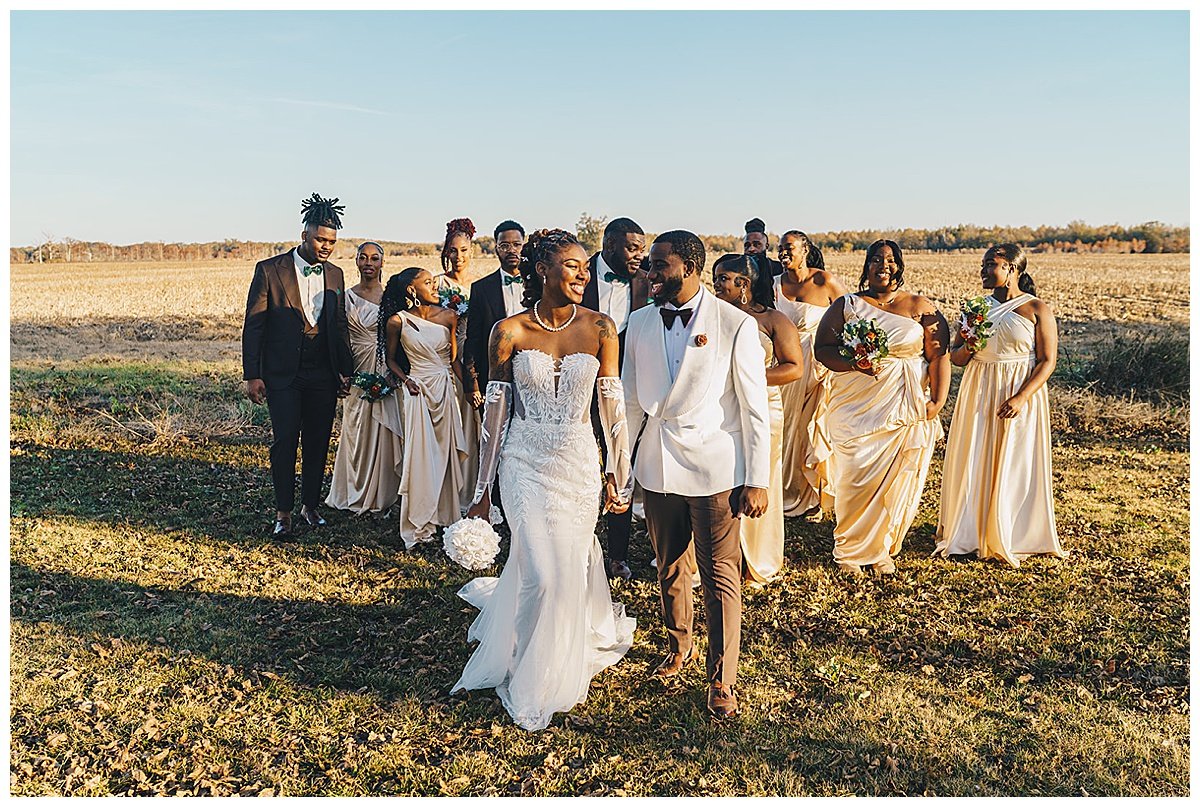
After photographing hundreds of Nashville weddings, I've heard the same myths repeated by couples over and over. And honestly? These misconceptions cause unnecessary stress, waste money, and sometimes result in disappointing photos.
The problem is that wedding advice gets passed around like a game of telephone — what started as good guidance becomes distorted into absolute rules that don't actually serve couples.
So let's clear the air. Here are the wedding planning myths I wish couples would stop believing, why they're wrong, and what to do instead.
Myth #1: "We Don't Need a First Look Because It's Bad Luck"
This is the big one. And it's based on a tradition that has nothing to do with actual wedding day logistics.
The Origin of This Myth:
The "don't see each other before the ceremony" tradition comes from arranged marriages when couples literally hadn't met before their wedding day. The concern was that if the groom saw the bride beforehand, he might back out.
Unless your marriage is arranged, this doesn't apply to you.
Why This Myth Hurts Your Wedding:
When you skip a first look, you're sacrificing:
2-3 hours of prime photo time (especially critical in winter when daylight is limited)
The most intimate moment of your day (seeing each other for the first time with just you, your photographer, and maybe your planner)
Flexibility in your timeline (you're locked into a tight post-ceremony schedule)
Emotional privacy (many grooms prefer to have their emotional reaction privately rather than in front of 150 guests)
The Reality:
First looks don't ruin the ceremony moment. In fact, most couples say having BOTH moments — a private first look and walking down the aisle — makes the ceremony even more meaningful because you're not nervously waiting to see each other.
What to Do Instead:
If you're on the fence about a first look, ask yourself:
Do we want more time for couple portraits?
Would my partner prefer to cry privately rather than in front of everyone?
Are we getting married in winter when we have limited daylight?
Do we want to attend our cocktail hour instead of taking photos?
If you answered "yes" to any of these, seriously consider a first look.
The Compromise:
If you truly want to wait until the ceremony, at least do a "first touch" or back-to-back moment before. This gives you a private moment together without fully "seeing" each other. But honestly, it's kind of awkward and doesn't save you much timeline space.
Myth #2: "Our Venue Has Good Lighting, So We Don't Need to Worry About It"
I hear this constantly during venue consultations. Couples see a bright, beautiful space and assume it will photograph well. But "bright" and "photographically flattering" are very different things.
Why This Myth Persists:
Venues look different to your eyes than they do to a camera. Your brain naturally adjusts for different lighting conditions. Cameras capture exactly what's there — including harsh overhead shadows, yellow-tinted bulbs, and unflattering fluorescent lights.
The Hard Truth:
Some of Nashville's most beautiful venues have terrible lighting for photography:
Overhead Edison bulbs in rustic barns create dark shadows under eyes
Fluorescent conference room lights make everyone look exhausted
Bright midday sun with no shade creates harsh shadows on faces
Yellow-tinted ambient lighting makes skin tones look sallow
Red Flags When Touring Venues:
When you're touring wedding venues, watch for:
Only overhead lighting with no natural light sources
No ability to control or dim the lights
Ceremony location in direct sun with no shade option
Staff who can't answer questions about lighting
What Professional Photographers Can (and Can't) Do:
We can work with challenging light — it's literally our job. We bring lighting equipment, position you strategically, and know how to use available light creatively.
But we can't completely transform terrible venue lighting. If your venue only has harsh fluorescent overhead lights and no windows, there's a limit to how flattering we can make those photos.
Nashville Venues With Great Natural Light:
Cheekwood's gardens (dappled natural light, gorgeous)
The Hermitage Hotel (beautiful interior lighting)
Union Station (dramatic natural light through historic windows)
The Parthenon (outdoor with flexible ceremony placement)
What to Do Instead:
Before booking your venue:
Visit at the same time of day as your ceremony
Ask to see recent wedding photos taken there
Bring your photographer to the venue walkthrough if possible
Ask about lighting control (dimmers, turning off harsh overhead lights)
Understand indoor vs outdoor lighting considerations
If you're already booked at a venue with challenging lighting, talk to your photographer early. We can plan timing, positioning, and additional lighting to make the best of what's available.
Myth #3: "We Only Need a Photographer for 4-6 Hours"
This myth usually comes from budget concerns or underestimating how long a wedding day actually takes.
Why Couples Believe This:
They look at their timeline and add up: 1 hour getting ready + 30-minute ceremony + 1 hour cocktail/family photos + 2 hours reception = 4.5 hours
They think they don't need photos of "boring" parts like getting ready
They assume they can skip reception coverage after dinner
Budget constraints make shorter packages tempting
What Actually Happens:
Wedding days run long. Nearly every single one. Here's what the timeline actually looks like:
Getting Ready (1.5-2 hours minimum):
Detail shots of dress, rings, shoes, invitation
Candid moments with bridesmaids/groomsmen
Hair and makeup finishing touches
Dress going on (this takes longer than you think)
First look with parents
Almost always runs 30 minutes behind schedule
Ceremony and Family Photos (1.5-2 hours):
Pre-ceremony shots of guests arriving, venue details
Full ceremony coverage (usually 30-45 minutes, not 20)
Family photos afterward (always takes longer than planned)
Couple portraits (if no first look, this happens now)
Reception (3-4 hours minimum):
Grand entrance
First dance, parent dances
Toasts (these always run long)
Dinner service (capturing candid table moments)
Cake cutting
Bouquet/garter toss
Dancing and candid moments
Grand exit or last dance
Total realistic coverage needed: 6-8 hours minimum
What You Miss With Short Coverage:
If your photographer leaves after 4 hours, you likely miss:
Dancing photos (some of the most fun, emotional images)
Cake cutting
Candid reception moments
Guest interactions
Evening golden hour portraits if available
Exit photos
The Budget Reality:
I get it — photography is expensive. But here's what most couples don't realize: the difference between 4-hour and 8-hour coverage is usually $500-$1,000. Compare that to what you're spending on flowers ($2,000+) that die the next day or centerpieces ($1,500+) that guests barely notice.
Your photos are what you'll have forever. The flowers? Gone in three days.
What to Do Instead:
Book at least 6-8 hours of coverage minimum
If budget is tight, cut other line items before photography hours
Consider a weekday or off-season wedding for better photography rates
Ask about custom packages that fit your specific timeline
Remember that professional wedding planners can help you maximize your photography time
Myth #4: "Posed Photos Look Fake, We Only Want Candids"
This one makes me laugh because couples who say this almost always end up loving their "posed" photos the most.
The Confusion:
When couples say "we don't want posed photos," what they usually mean is "we don't want stiff, awkward, forced photos where we're standing like mannequins."
And neither do we! Professional photographers don't do that anymore.
Modern "Posing" vs. Old-School Posing:
Old-School Posing (what you're picturing):
Stiff, hands-at-sides stance
Forced smiles
Looking directly at camera
Everyone lined up in rigid rows
Zero personality or movement
Modern Posing (what we actually do):
Natural, relaxed positions that look effortless
Prompts that create authentic moments ("whisper something that made you fall in love")
Movement and interaction between you
Flattering angles that you don't have to think about
Photos that look candid but are actually directed
Why You Need Both Candid AND Directed Photos:
Candid moments we capture:
Genuine laughter during toasts
Tears during ceremony
Dancing with friends
Interactions with family
Unexpected sweet moments
Directed moments we create:
You actually looking at the camera together (yes, you'll want these)
Flattering angles that show your dress, venue, details
Romantic couple portraits
Family photos where everyone is looking and smiling
Photos you can frame and put on your wall
The Reality:
Truly candid photos are great for capturing emotion and storytelling. But if we only shot candid photos, you'd have:
Awkward mid-blink shots
Unflattering angles
Lots of backs of heads
Nothing suitable for framing or your parents' walls
No variety in your gallery
What to Do Instead:
Trust your photographer to blend both styles. We'll:
Use natural posing that looks effortless
Create moments that feel authentic
Capture genuine candid reactions
Give you a gallery that tells the full story
If you're worried about looking awkward, know this: awkwardness in photos comes from not knowing what to do with your hands/body, which is exactly what posing fixes. Good posing makes you look natural and relaxed, not stiff.
Myth #5: "We Can Use Our Phones for Getting Ready Photos"
Of all the myths, this one has the potential to ruin the most photos.
Why Couples Think This:
Photography is expensive, so they want to save money on coverage
They think getting ready is "just" detail shots
They assume phone cameras are "good enough now"
They don't realize how much happens during getting ready time
What You Actually Need During Getting Ready:
Getting ready coverage isn't just about photos of your dress and shoes. It's:
The emotion of putting on your wedding dress for the first time
Your mom or sister helping with your veil
The moment your dad sees you in your dress
Candid laughter and tears with your bridesmaids
The quiet, intimate moments before the chaos begins
Detail shots of your rings, dress, shoes, invitation, perfume
Why Phone Photos Don't Work:
Even with the best iPhone, you can't:
Capture flattering lighting in hotel rooms (which often have terrible overhead lighting)
Get proper detail shots with shallow depth of field
Photograph yourself getting into your dress
Capture candid emotional moments while also participating in them
Have professional editing and color correction
What Actually Happens:
Your maid of honor takes 47 photos on her iPhone. They're all:
Badly lit with harsh shadows
Unflattering angles (too close, too far, weird perspective)
Missing the actual important moments (she was busy helping you)
Grainy and low-resolution
Full of clutter in the background
Then when you get your professional photos back, you wish you had better getting-ready coverage.
The Cost Reality:
The difference between starting photography coverage at 1 PM vs. 3 PM is usually $200-400. Is it worth saving $200 to have no professional photos of getting ready? Most couples say no after the fact.
What to Do Instead:
Include getting ready in your photography coverage
If budget is extremely tight, have your photographer arrive for the last 30-45 minutes of getting ready (dress going on, final touches)
Prepare the space properly (see our guide on avoiding cluttered getting-ready spaces)
Work with professional hair and makeup artists who know how to work around photographers
Myth #6: "All Photographers Are Basically the Same"
This myth costs couples thousands of dollars and leads to disappointing photos.
Why This Myth Exists:
When you're looking at 50+ Nashville wedding photographers' websites, they can start to blur together. Beautiful venue photos, romantic couple shots, dancing reception images — they all look similar at first glance.
The Reality:
Photographers differ dramatically in:
1. Style and Editing
Light and airy vs. dark and moody
True-to-life colors vs. creative color grading
Documentary storytelling vs. highly posed
Film look vs. digital crispness
2. Experience Level
Shot 5 weddings vs. 500 weddings
Knows your venue vs. first time shooting there
Handles unexpected problems vs. panics when things go wrong
Manages timeline disasters vs. watches helplessly
3. Service and Communication
Responds in 24 hours vs. takes a week to reply
Proactive timeline help vs. just shows up on the day
Delivers in 4-6 weeks vs. 6+ months
Provides planning guidance vs. only photographs
4. Business Practices
Proper contracts and insurance vs. handshake agreements
Professional backup equipment vs. crossing fingers
Second shooter included vs. solo coverage
Clear deliverable expectations vs. vague promises
How to Actually Evaluate Photographers:
Look at Full Galleries, Not Just Portfolio Highlights Any photographer can make 30 images look amazing. Ask to see complete wedding galleries to understand their consistency.
Read Reviews About the Experience Don't just look at "5 stars!" Read what people say about communication, timeline help, and the actual working relationship.
Ask About Venue Experience A photographer who's shot at your specific venue before knows the lighting, the timeline flow, and the best photo locations.
Trust Your Gut on Personality You'll spend 8+ hours with this person on one of the most important days of your life. Do you actually like them?
What to Do Instead:
Interview at least 3 photographers
Ask about their backup plans for equipment failure
Request to see full wedding galleries
Discuss their role in timeline planning
Understand their delivery timeline and what's included
Check if they have proper business insurance
The cheapest photographer is rarely the best value. The most expensive isn't always the best either. Find someone whose work you love, whose personality meshes with yours, and who has the experience to handle your wedding professionally.
Myth #7: "We Don't Need a Rain Plan Because It Probably Won't Rain"
Oh, this one. This one causes so much unnecessary stress.
Why Couples Skip Rain Plans:
"It rarely rains in Nashville" (actually, it rains frequently)
"We checked the weather, it looks clear" (weather changes)
"We're getting married in summer, it won't rain" (summer thunderstorms are common in Tennessee)
"Planning for rain feels negative" (planning prevents panic)
The Statistics:
Nashville gets an average of 119 days of rain per year. That's nearly 1 in 3 days. Your odds aren't as good as you think.
What Happens Without a Rain Plan:
We've seen it countless times:
Morning of wedding, forecast shows 80% rain
Couple panics and starts scrambling for backup options
Venue is booked and doesn't have indoor alternatives
Timeline gets destroyed trying to find solutions
Couple spends their wedding day stressed about weather instead of excited
The Right Way to Plan for Rain:
When touring wedding venues, ask:
What's the rain backup plan for the ceremony?
Where do we take photos if it's raining?
How much notice do you need to move everything inside?
Is there a covered outdoor option?
What happens to our timeline if we need to switch locations?
Nashville Venue Rain Solutions:
Venues With Built-in Covered Options:
Cheekwood (museum interior, covered porches)
Riverwood Mansion (wraparound porches, interior spaces)
The Hermitage Hotel (all interior, no weather concerns)
Outdoor Venues That Need Backup Plans:
The Parthenon (nearby museum, covered colonnade)
Park venues (tent rental required)
Backyard weddings (tent rental essential)
What Professional Photographers Do:
We've shot in everything from light drizzle to downpours. Rain doesn't ruin photos — it actually creates some dramatic and romantic images. But we need you to:
Have a backup plan so you're not stressed
Bring clear umbrellas (colored ones create weird color casts in photos)
Embrace the rain if it happens
Trust that we know how to make rainy photos beautiful
Read our complete rain plan guide for detailed backup strategies.
What to Do Instead:
Create a rain plan during initial venue booking
Rent a clear tent if needed for outdoor venues
Have backup photo locations identified
Bring nice umbrellas (they'll look great in photos)
Remember that some of the most romantic wedding photos happen in rain
Myth #8: "We Should Book the Venue First, Then Find a Photographer"
This one is controversial, but hear me out.
The Traditional Advice:
Most wedding planning guides say: Book your venue first, then find vendors who can work there.
Why This Can Backfire:
Some venues are notoriously difficult for photography:
Terrible lighting that can't be fixed
Restrictive rules about where photographers can stand
No good photo locations on property
Timeline restrictions that ruin golden hour opportunities
If you book the venue first and THEN find out your dream photographer won't shoot there (or will, but warns you the photos will be challenging), you're stuck.
The Alternative Approach:
If photography is your top priority, consider:
Research and shortlist photographers first
Ask them which Nashville venues they love working at
Use that input when narrowing your venue options
Book venue and photographer around the same time
Why This Works:
Experienced photographers know:
Which venues photograph beautifully
Which have problematic lighting
Which have timeline restrictions that hurt photos
Which are worth the investment vs. overhyped
The Compromise:
If you've already booked your venue:
Hire your photographer as soon as possible
Give them your venue details immediately
Ask for their honest assessment of photo opportunities
Request guidance on timeline planning for that specific venue
Let them help you work around any limitations
Red Flag Venues:
When touring venues, be cautious if:
Photographers aren't allowed in certain areas during ceremony
No outdoor space for portraits
Timeline restrictions conflict with good lighting times
Myth #9: "Professional Photographers Can Fix Anything in Photoshop"
This myth sets up unrealistic expectations and leads to disappointment.
What Photoshop CAN Do:
Remove small blemishes or stray hairs
Adjust exposure and color balance
Remove minor distractions (exit signs, power lines)
Smooth skin and enhance details
Crop and straighten images
What Photoshop CAN'T Do (or shouldn't):
Fix terrible lighting fundamentals
Make you thinner (ethical photographers won't dramatically alter your body)
Remove entire people from group photos
Change your facial expression
Recreate missed moments
Fix dramatically out-of-focus images
Make harsh midday sun look like golden hour
The "Fix It in Post" Problem:
When couples say "just fix it in Photoshop," they usually mean:
"We don't need to worry about timing" (yes, you do)
"Lighting doesn't matter" (it absolutely does)
"We can skip this photo and you'll just Photoshop it later" (that's not how it works)
The Reality of Photo Editing:
Professional editing takes time. Each wedding receives:
Color correction on every image
Exposure adjustments
Cropping and straightening
Skin smoothing and minor retouching
Artistic color grading for consistency
What editing can't fix:
Poor timing that missed good light
Harsh shadows from bad lighting
Blurry images from wrong shutter speed
Missed moments because we weren't there
Awkward expressions from poor direction
What to Do Instead:
Plan properly for good lighting and timing
Trust your photographer's in-the-moment decisions
Understand that great photos come from great photography, not just great editing
Don't skip important timeline elements thinking "Photoshop will fix it"
Myth #10: "Wedding Planners Are Only for Huge, Expensive Weddings"
This myth causes couples so much unnecessary stress and often results in timeline disasters.
Why Couples Skip Wedding Planners:
"We can't afford it" (month-of coordination is usually $800-1,500)
"Our wedding is small/casual" (those need planning too)
"We're organized, we can handle it" (planning and executing are different)
"It's just one day, how hard can it be?" (very hard)
What Actually Happens Without a Planner:
On your wedding day, someone needs to:
Coordinate with all vendors
Handle timeline adjustments
Fix problems that arise
Set up ceremony/reception details
Manage family photo wrangling
Handle vendor payments
Deal with emergencies
Without a planner, this falls to:
Your mom (who should be enjoying the day)
Your maid of honor (who's in photos and wants to celebrate)
You (absolutely not)
No one (disaster)
How Planners Help Your Photography:
A good wedding planner:
Keeps your timeline on track so you don't lose golden hour
Wrangles family members for photos efficiently
Handles problems so you stay relaxed and photogenic
Coordinates with your photographer on timing
Keeps the day flowing smoothly for better candid moments
The Different Levels:
Full Planning ($3,000-8,000+):
Entire wedding design and coordination
Vendor sourcing and booking
Budget management
Everything from engagement to wedding day
Partial Planning ($1,500-3,000):
Last 3-6 months of planning
Vendor coordination
Timeline creation
Month-of coordination included
Day-of/Month-of Coordination ($800-1,500):
Timeline finalization
Vendor coordination on wedding day
Setup supervision
Problem-solving during event
What to Do Instead:
If budget is tight, at minimum book month-of coordination. The $1,000-1,500 investment will:
Save you stress
Protect your timeline
Improve your photos
Let your family actually enjoy the wedding
Handle problems you didn't know could happen
Learn more about what wedding planners actually do and how to choose one.
Check out our recommended Nashville wedding planners who work seamlessly with photographers.
The Pattern: Most Myths Come From Outdated Traditions or Budget Fears
Notice a pattern in these myths?
Outdated Tradition Myths:
"Don't see each other before ceremony" (from arranged marriages)
"Posed photos are bad" (from stiff 1980s photography)
"You need X, Y, Z to have a 'real' wedding" (from wedding industry marketing)
Budget-Driven Myths:
"We only need 4 hours of photography" (trying to save money)
"We can use phones for getting ready" (cutting costs)
"We don't need a planner" (skipping an "extra" expense)
Both types of myths hurt your wedding day experience and often cost you more in the long run — either in money (when you have to fix problems) or in disappointment (when you realize what you missed).
Questions to Ask to Bust Your Own Myths
When you hear wedding advice that sounds like an absolute rule, ask:
"Where did this advice come from?"
Is it based on tradition, or does it serve your actual wedding?
"What's the worst that happens if we do the opposite?"
Often, the "consequences" are made up or irrelevant
"What do professionals who do this every weekend recommend?"
Your photographer and planner have seen what actually works
"Is this advice based on budget, or on what actually creates a better experience?"
Budget is valid, but be honest about the tradeoffs
"Will we regret this decision in 5 years?"
Photos last forever. Most wedding day details don't matter long-term
What Actually Matters (Spoiler: Not Most of This Stuff)
After hundreds of Nashville weddings, here's what actually matters:
What Couples Remember and Cherish: ✅ Quality time with their partner on wedding day
✅ Meaningful moments with family and friends
✅ Beautiful photos that capture real emotions
✅ A stress-free day where they could be present
✅ Vendors who made everything easier
What Couples Don't Remember: ❌ Exact shade of napkins
❌ What the centerpieces looked like
❌ Whether the cocktail hour was 60 or 75 minutes
❌ Minor timeline hiccups that were handled well
❌ Most of the expensive details they stressed over
Where to Actually Invest:
Based on what couples tell us years later, invest in:
Photography (it's what you keep forever)
Great food (guests remember if they were hungry)
Good music/DJ (makes or breaks the reception energy)
Comfortable timeline (stress shows in photos)
Professional planning help (prevents disasters)
Everything else? Nice to have, but not essential.
The Myths We Haven't Covered (But Should Mention)
Other common myths that aren't true:
"Outdoor weddings are cheaper" (tent rentals are expensive)
"DIY will save us thousands" (your time and stress have value)
"We need to invite everyone we know" (smaller weddings are often better)
"The wedding has to be on a Saturday" (weekday/Sunday weddings save money and have better vendor availability)
"We can't change our minds after booking" (some vendors allow changes)
"Everyone does it this way" (your wedding should reflect YOU)
Ready to Work With a Nashville Wedding Photographer Who Tells You the Truth?
At Heck Designs and Photography, we've been photographing Nashville weddings long enough to see which advice actually helps couples and which creates unnecessary stress.
We'll never tell you that you "have to" do something just because it's traditional. We'll give you honest guidance based on hundreds of real weddings — what works, what doesn't, and how to make choices that serve your actual priorities.
View our wedding photography portfolio to see what happens when couples focus on what actually matters, or contact us to discuss your Nashville wedding and get real, myth-free planning advice.
Related Reading: